Category
The Ultimate Guide To Cleaning Your Gold Jewellery At Home
Gold jewellery is an investment and often holds sentimental value. But over time, even the highest-quality pieces can lose their shine due to daily wear, exposure to skin oils, lotions, and environmental pollutants. The good news? You don't need to rush to a jeweller every time your ring or necklace looks dull. You can safely and effectively clean your gold jewellery at home with a few simple tools and methods.
This guide explains how to clean gold jewellery at home, outlines the safe products to use, and provides guidance on long-term protection for your pieces. If you're shopping for cleaning kits or maintenance tools, we've also listed some highly rated options.
Quick Checklist: What You’ll Need?
Before you begin, gather the following:
- Mild dish soap (non-moisturising)
- Warm water (not boiling)
- A soft toothbrush or jewellery cleaning brush
- A small bowl
- A soft lint-free cloth (microfiber is best)
- Optional: Ammonia, baking soda, or a professional cleaning solution
Avoid: Toothpaste, harsh chemicals, bleach, vinegar, or anything abrasive.
Basic Method: Soapy Water Soak
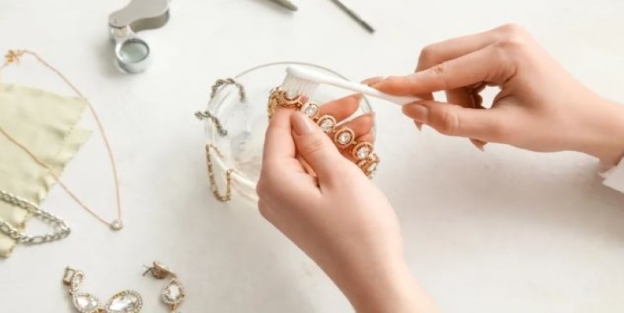
This is the safest and most recommended method for cleaning gold at home. It works well for solid gold and gold-plated items.
Steps
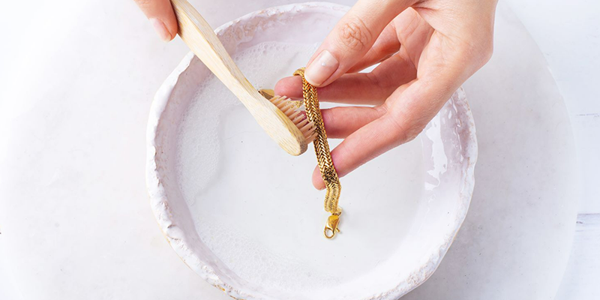
- Mix Solution: Add a few drops of mild dish soap to a bowl of warm (not hot) water.
- Soak the Jewellery: Place your gold jewellery in the bowl and let it soak for 15–30 minutes.
- Gently Brush: Use a soft toothbrush to clean around crevices, under stones, and along chains.
- Rinse: Rinse each piece thoroughly under lukewarm running water.
- Dry: Pat dry with a lint-free cloth. Let it air dry thoroughly before storing.
This method is gentle enough for everyday jewellery, including 10K, 14K, and 18K gold.
For Heavier Tarnish: Add Ammonia (Caution)
If your gold appears especially dull or has been exposed to a significant amount of grime, you can enhance cleaning with a diluted ammonia solution. But this is only for solid gold (no gemstones or plating).
Steps
- Mix 1 part ammonia with six parts water.
- Soak jewellery for no more than 1 minute.
- Rinse immediately with cold water and dry.
Use this only once every couple of months. Ammonia can damage stones and weaken settings if overused.
Cleaning Gold Jewellery With Gemstones
If your gold jewellery includes diamonds, sapphires, or rubies (harder stones), the soapy water method is still safe. However, avoid soaking items with soft or porous stones like:
- Pearls
- Opals
- Emeralds
- Turquoise
For these, gently wipe the gold portion with a damp cloth, avoiding full submersion.
What About Gold-Plated Jewellery?
Gold-plated pieces require more care, as the outer layer is thin and can wear off if scrubbed too hard.
Recommended Method:
- Use a cotton swab dipped in soapy water.
- Gently wipe the surface—do not soak or scrub.
- Rinse with a damp cloth.
- Pat dry and store in a soft pouch.
Do not use ammonia or ultrasonic cleaners on gold-plated jewellery.
Ultrasonic Cleaners: Are They Worth Buying?
Ultrasonic cleaners use sound waves to clean fine jewellery and are commonly used by jewellers. You can buy home-use models starting around $40. Popular brands include:
- Magnasonic Professional Ultrasonic Jewellery Cleaner (Amazon)
- iSonic D3800A Digital Ultrasonic Cleaner
- Famili FM8000WW Ultrasonic Cleaner
These work best for solid gold and diamonds, but are not recommended for plated items or softer gemstones.
If you have multiple pieces and clean them regularly, this can be a good investment.
Commercial Jewellery Cleaners (Ready-To-Use Options)
If you’d rather skip the DIY mix, there are effective over-the-counter cleaners. Top-rated choices include:
- Connoisseurs Gold Jewellery Cleaner – Comes with a dipping tray and brush, ideal for daily gold wear.
- Weiman Jewellery Cleaner is suitable for removing buildup and restoring shine.
- Simple Shine Complete Jewellery Cleaning Kit – Includes cleaning solution, brush, and microfiber cloth.
Look for formulas that are labelled as safe for gold and free from harsh acids or abrasives.
Daily Tips To Keep Gold Jewellery Looking New
Cleaning once a month is enough for most people, but how you wear and store your jewellery every day makes a big difference.
Preventative Care
- Remove rings when washing your hands, applying lotion, or doing dishes.
- Store each piece separately to prevent scratches from occurring.
- Avoid wearing gold in pools or hot tubs (chlorine weakens gold).
- Use a dedicated jewellery pouch or lined box.
What Not To Use On Gold Jewellery?
Some everyday household items might seem harmless, but they can damage your gold.
Avoid:
- Toothpaste (too abrasive)
- Baking soda on soft gold (too harsh)
- Vinegar or lemon juice (can corrode)
- Tissues or paper towels (can scratch)
When To Take It To A Professional
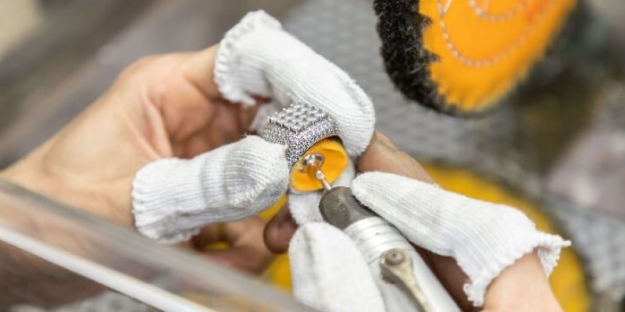
While at-home methods work well for regular cleaning, there are times when a trip to the jeweller is worth it:
- Loose prongs or clasps
- Heavily tarnished or scratched pieces
- Antique jewelry
- Items with glued stones (can loosen with water)
A jeweller can clean, polish, and inspect your jewellery for long-term wear.
Key Takeaways For Quick Decisions
Solid Gold Jewellery:
Best cleaned with warm, soapy water and a soft brush. Avoid harsh chemicals, toothpaste, or abrasive materials.
Gold With Diamonds Or Other Hard Stones:
Safe to clean with soapy water or an ultrasonic cleaner (if the stones are secure). Do not use bleach or acidic solutions.
Gold-Plated Jewellery:
Clean gently with a damp cloth or cotton swab. Avoid soaking or scrubbing, as this can wear off the plating.
Gold With Soft Or Porous Gemstones (Like Opals, Pearls, Emeralds):
Avoid soaking or ultrasonic cleaning. Stick to light wiping with a damp cloth only.
If You’re Unsure:
When in doubt—especially for antique or delicate pieces—skip the DIY and ask a jeweller to clean and inspect it.
Where To Buy Jewellery Cleaning Products?
If you're ready to upgrade your jewellery care routine, here are some easy places to buy trusted cleaners and tools:
- Amazon: Wide range of cleaners, kits, ultrasonic machines, and cloths
- Walmart: Carries Connoisseurs and Weiman brands in-store and online
- Target: Jewellery cleaning wipes and basic polishing kits
- Bed Bath & Beyond: Ultrasonic cleaners and accessories
- Local jewellers often sell professional-grade solutions
Final Tip: Monthly Routine = Long-Lasting Shine
Set a reminder to clean your gold jewellery once a month. It only takes 15–20 minutes and helps extend the life and look of your favourite pieces. With the right tools and care, your gold jewellery can stay as bright as the day you bought it.
Editor's Picks





Don't Miss
-
![The Role Of Fashion In Culinary Events: How Chefs Are Inspiring Style]()
- Fashion
The Role Of Fashion In Culinary Events: How Chefs Are Inspiring Style
July 10, 2025

-
![The Minimalist Jewellery Checklist: What You Actually Need]()
- Jewelry
The Minimalist Jewellery Checklist: What You Actually Need
July 21, 2025
-
![How to Style Your Hair to Match Your Outfit]()
- Fashion
How to Style Your Hair to Match Your Outfit
August 5, 2025

-
![The Rise Of Genderless Fashion: When Clothing Has No Boundaries]()
- Fashion
The Rise Of Genderless Fashion: When Clothing Has No Boundaries
July 16, 2025

-
![The Ultimate Guide To Cleaning Your Gold Jewellery At Home]()
- Jewelry
The Ultimate Guide To Cleaning Your Gold Jewellery At Home
July 21, 2025
-
![The Only 5 Bracelets You Need For Effortless Style]()
- Jewelry
The Only 5 Bracelets You Need For Effortless Style
July 29, 2025